
Choosing Modern Hydration Options for Travelers
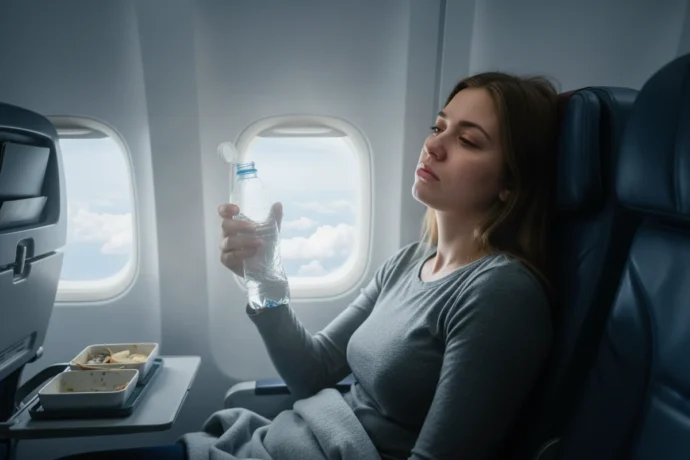
For travelers spending time in Bali, heat, humidity, outdoor activities, and changes in daily routines can all make hydration an important consideration. This has also contributed to growing interest in wellness services such as IV Drip Bali.
Modern hydration treatments now go beyond simply drinking water. Options include oral rehydration solutions, electrolyte beverages, hydration supplements, and intravenous therapy. Each approach works differently and comes with its own advantages and limitations.
Rather than viewing one method as suitable for everyone, it is more useful to understand how these options compare and when each may be appropriate.
Understanding Modern Hydration Treatment Options
Traditional hydration usually means drinking enough water throughout the day. For healthy individuals engaged in normal daily activities, this is often sufficient. However, certain situations can increase fluid and electrolyte requirements.
Exercise, prolonged exposure to heat, heavy sweating, travel, and some illnesses can all affect fluid balance. This is where other hydration products or treatments may be considered.
Modern hydration options generally fall into two broad categories: oral hydration and professionally administered hydration. Oral options are consumed by mouth, while IV hydration delivers fluids directly into a vein under professional supervision.
IV Hydration Therapy
IV hydration uses an intravenous line to administer fluids directly into the bloodstream. Because the treatment bypasses the digestive system, it provides a different method of fluid administration from drinking water or an electrolyte beverage.
One of the main attractions of IV hydration is the structured nature of the treatment. Travelers may find it convenient when they want access to a professionally supervised hydration service during their stay.
However, IV hydration should not be viewed simply as a faster version of drinking water. It is an invasive procedure and therefore carries considerations that do not apply to ordinary oral hydration. Injection-site discomfort, bruising, infection, and other complications are possible.
This makes provider qualifications and proper clinical procedures particularly important when considering IV Drip Bali services.
Oral Rehydration Solutions
Oral rehydration solutions are a more traditional alternative to IV therapy. These products combine water with electrolytes and, in many formulations, carbohydrates that support fluid absorption.
Their main advantage is accessibility. They do not require medical equipment or professional administration and can be used in many everyday situations.
For example, oral rehydration may be considered after substantial sweating or fluid loss when a person is able to drink normally. They can also be convenient for travelers who want something easy to carry while exploring Bali.
However, oral rehydration is not necessarily appropriate for every situation. Someone experiencing severe dehydration, persistent vomiting, confusion, fainting, or other serious symptoms may need medical evaluation rather than relying on a hydration drink.
Electrolyte Drinks and Supplements
Electrolyte drinks are widely available and have become particularly popular among people who exercise or spend extended periods outdoors. Unlike plain water, these beverages can provide minerals such as sodium and potassium alongside fluids.
Their usefulness depends partly on the circumstances. After prolonged exercise or heavy sweating, replacing some electrolytes may be helpful. During ordinary daily activities, however, additional electrolytes may not always be necessary.
IV Hydration vs. Oral Hydration
Oral hydration is simple and non-invasive. It can usually be incorporated into a normal daily routine, whether through water, electrolyte beverages, or oral rehydration solutions. It also does not require a healthcare professional to administer the fluids.
IV hydration, on the other hand, involves professional administration and an intravenous procedure. This makes it a more structured option, but also means that appropriate screening, hygiene, and medical supervision are important.
What Should You Consider Before Choosing?
A hydration treatment should be considered in the context of your overall health and the reason you are seeking it.
Someone who has spent several hours outdoors in Bali may have different hydration needs from someone recovering from an illness. Likewise, an individual with an existing medical condition may need to discuss fluid and electrolyte intake with a healthcare professional before receiving a treatment.
When considering an IV hydration service, it is useful to ask about:
- The type of fluid being administered
- Any additional ingredients included
- Who will perform the treatment
- Whether a health assessment is conducted beforehand
- Potential side effects and contraindications
- Hygiene and infection-control procedures
These questions can help travelers understand exactly what they are receiving instead of choosing a treatment based only on its name or marketing description.
Reviewing Hydration Options for Travelers in Bali
Bali provides a unique environment for considering hydration. The tropical climate, outdoor activities, beach visits, exercise, and busy travel schedules can all influence how much fluid a person needs.
For some travelers, carrying a water bottle and drinking regularly may be all that is necessary. Others may prefer an electrolyte beverage after an active day. Oral rehydration solutions can also be useful when fluid and electrolyte replacement is needed and the person can drink normally.
Professionally administered IV Drip treatments represent another option for travelers who are specifically looking for an IV hydration service. However, the quality and safety of the provider should be considered carefully.
A reputable service should clearly explain the treatment, use qualified healthcare professionals, maintain appropriate hygiene standards, and assess whether the treatment is suitable for the individual.
The Role of Hydration in a Wellness Routine
Hydration is only one part of maintaining wellbeing while traveling. Adequate sleep, nutritious meals, physical activity, sun protection, and sensible pacing can all contribute to a more comfortable travel experience.
This is important when considering modern hydration treatments because they should not be treated as a replacement for healthy daily habits. An IV treatment or electrolyte drink cannot compensate for consistently inadequate water intake, poor nutrition, or insufficient rest.
For travelers exploring IV Drip Bali options, the most important considerations are not simply convenience or the number of ingredients in a treatment. Understanding the purpose of the treatment, checking the provider’s qualifications, and considering individual health circumstances are equally important.
Ultimately, the most appropriate hydration approach depends on the situation. For many people, regular water intake remains the foundation, while other options may have a role when specific hydration needs arise.