


A holistic health approach offers an effective way to relieve stress by combining various aspects of human life in a balanced way. Practices such as meditation, yoga, and breathing exercises help calm the mind while stabilizing the body’s response to emotional stress. Conversely, attention to physical health through a nutritious diet and regular exercise supports hormonal balance and increases positive energy in the body.
Emotional and Social Balance
Furthermore, emotional and social well-being also play a crucial role in reducing stress. Setting aside time to pursue hobbies, strengthen relationships with family and friends, or simply share stories with trusted people can strengthen a sense of community and social support. This combination of mental, physical, and social health creates greater resilience to life’s stresses and helps one approach each day with a sense of calm and balance.
Mind and Body Management
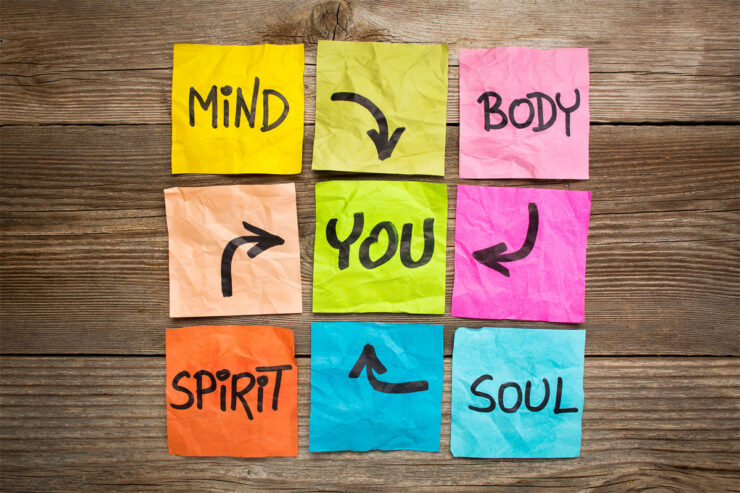
Here are some mind and body management exercises you should try:
Mindfulness and Meditation
Training yourself to be truly present in each moment is an effective way to calm your mind and reduce stress levels. This practice helps you become more aware of your breath, thoughts, and bodily sensations without judgment, creating a sense of calm and inner balance.
Techniques include deep breathing to slow your heart rate, positive visualizations that foster inner calm, and body scan meditations that help identify and release physical tension. With a consistent routine, meditation can foster mental resilience and clarity of thought in the face of life’s stresses.
Progressive Muscle Relaxation
This technique teaches how to identify and release stored tension in the body through a process of tensing and then relaxing muscle groups sequentially. This exercise effectively helps the body identify tense areas and return the body to a relaxed state.
In addition to calming the body, progressive muscle relaxation also affects emotional stability because relaxation signals from the body are sent to the brain, reducing anxiety and mental stress. With regular practice, a person can become more sensitive to stress signals and restore their body’s balance more quickly.
Journaling
Expressing thoughts and feelings through writing can be a healthy emotional outlet. Writing allows a person to channel worries, self-reflections, and feelings that are difficult to express verbally. This activity also helps clarify thoughts, identify stress patterns, and find new perspectives on problems. By making journaling a daily habit, individuals can build inner peace, better understand themselves, and cultivate gratitude for the little things in life.
Restful Sleep
Sleep quality has a direct impact on mental and physical health. Adequate sleep helps the brain regulate emotions, repair body cells, and maintain an optimal immune system. Lack of sleep can trigger irritability, difficulty concentrating, and increase stress hormones.
To get quality sleep, create a calming nighttime routine such as light reading, a warm bath, or meditation before bed. Also, ensure your bedroom environment is comfortable, dark, cool, and free from noise distractions so your body and mind can truly rest.
See also : Natural Secrets to Maintaining a Strong Immune System
Interact with Nature
Spending time outdoors is a simple yet powerful way to restore inner peace. Activities like walking in the park, hiking, or simply sitting under a tree can lower cortisol levels and stimulate feelings of gratitude and happiness.
Nature provides a space for the mind to rest from the hustle and bustle of modern life. Exposure to sunlight and fresh air also increases vitamin D levels and positive energy, helping you feel more refreshed, focused, and balanced in your daily routine.
Social and Emotional Well-Being

You can achieve social and emotional well-being in the following ways:
Social Support Network
Forming warm and supportive relationships with those around you is an important foundation for emotional health. The presence of caring friends, family, or a community can be a source of comfort, a place to share stories, and a support system when facing life’s stresses.
Social support not only provides a sense of security but also helps broaden perspectives and strengthen a sense of belonging. By maintaining open and empathetic communication, one can build healthy bonds and strengthen emotional resilience against stress and loneliness.
Enjoying Leisure Time and Hobbies
Engaging in enjoyable activities provides an opportunity for the mind to take a break from the daily routine and burdens. Pursuing hobbies such as reading, painting, gardening, listening to music, or creating can help channel positive energy and foster a sense of satisfaction and happiness.
Recreational activities also play an important role in maintaining a balance between work and personal life. By taking time to do things you enjoy, one not only reduces stress but also strengthens one’s connection with oneself and enriches one’s quality of life.
Frequently Asked Questions
What are the main benefits of a holistic health approach to stress reduction?
A holistic approach helps balance the mind, body, and emotions, allowing a person to be calmer, more focused, and more resilient to the stresses of everyday life.
How long does it take to feel the benefits of meditation or yoga?
Results vary from person to person, but with a few weeks of regular practice, people generally begin to notice improved concentration, calmness, and a decrease in stress.
How can diet affect stress levels?
Nutritious foods like fruits, vegetables, and lean protein help stabilize energy and mood, while excessive consumption of sugar, caffeine, or processed foods can actually exacerbate stress.
Why are social connections important for maintaining mental health?
Support from friends, family, or a community provides a sense of security and emotional connection, helping a person cope with difficulties and strengthening overall psychological well-being.