Category Archives: Home

Easy DIY Natural Air Fresheners to Keep Your Home Fresh and Healthy

Entering a home that smells fresh and inviting is certainly soothing. However, many commercial air fresheners contain synthetic chemicals that can trigger allergies, respiratory problems, or headaches. Fortunately, you can easily make your own natural air freshener using simple, eco-friendly ingredients that are safe for your health and the planet.

In this article, we’ll explore the top natural ingredients you can use, share five easy DIY recipes, and offer practical tips for keeping your indoor air naturally clean and fresh every day.

Top Natural Ingredients for DIY Air Fresheners

When it comes to crafting your own natural air fresheners, the key is choosing high-quality ingredients that deliver both scent and purification benefits. Here are some of the best natural components to consider:

1. Essential Oils

Essential oils are the cornerstone of natural air fresheners. They come from the pure extracts of plants, flowers, and herbs, offering not just beautiful fragrances but also therapeutic benefits.

Lavender

Calming and promotes relaxation.

Lemon

Cleanses and energizes the air.

Peppermint

Refreshes and uplifts mood.

Eucalyptus

Helps clear congestion and purifies air.

Tea Tree

Acts as a natural disinfectant and deodorizer.

2. Citrus Fruits

Citrus fruits like lemons, oranges, and limes bring a zesty and invigorating aroma. Their peels contain natural oils that neutralize unpleasant odors. Dried citrus slices also look beautiful in potpourri or simmering pots.

3. Baking Soda

Baking soda is a natural deodorizer that absorbs odors instead of masking them. It’s ideal for small spaces like bathrooms, closets, or refrigerators.

4. Herbs and Spices

Herbs such as rosemary, mint, and thyme, along with spices like cinnamon sticks and cloves, can infuse warm, comforting scents. They’re perfect for simmering recipes or sachets.

5. Vinegar

White vinegar is excellent for neutralizing odors. When mixed with essential oils, it becomes a powerful cleaning and air-freshening agent.

DIY Recipes for Natural Air Fresheners

Here are five simple, effective recipes that will make your home smell delightful while keeping the air clean and chemical-free.

1. Citrus and Lavender Room Spray

Ingredients:

  • 1 cup distilled water
  • 2 tablespoons vodka or witch hazel (helps disperse the oils)
  • 10 drops lavender essential oil
  • 10 drops lemon essential oil

Instructions:

Mix all ingredients in a spray bottle. Shake gently before each use, and spray around the room or on linens for a clean, calming scent.

2. Simmering Potpourri for Cozy Evenings

Ingredients:

  • Orange or lemon slices
  • A few cinnamon sticks
  • Whole cloves
  • A sprig of rosemary

Instructions:

Fill a small pot with water. Add all ingredients and simmer on low heat. Allow the aroma to fill your home—perfect for relaxing evenings or festive gatherings.

3. Baking Soda Jar Deodorizer

Ingredients:

  • ½ cup baking soda
  • 10 drops peppermint or eucalyptus essential oil
  • Small jar or container

Instructions:

Place baking soda in the jar and add essential oils. Cover with a breathable fabric or paper lid secured with a rubber band. Set it in your bathroom, closet, or car to absorb unwanted odors.

4. Reed Diffuser with Essential Oils

Ingredients:

  • ½ cup carrier oil (almond or safflower oil)
  • 20–25 drops of your favorite essential oil blend
  • Small glass bottle
  • Bamboo skewers or reed sticks

Instructions:

Combine the carrier oil and essential oils in a bottle. Let the tree trunk soak for a few hours, turning it occasionally to allow the aroma to diffuse.

See also : Daily Wellness Routines for a Balanced Life: Ultimate Guide

5. Herbal Sachets for Drawers and Closets

Ingredients:

  • Dried lavender, mint, or rose petals
  • A few drops of essential oil (optional)
  • Small cotton or linen pouches

Instructions:

Fill the bag with dried herbs and flowers, and don’t forget essential oils if you have them. Store it in a drawer, closet, or shoe rack to keep your clothes smelling fresh.

Tips for Maintaining Fresh Indoor Air

Creating natural air fresheners is just one step toward a healthier home environment. To maintain clean, breathable indoor air, follow these additional tips:

1. Improve Ventilation

To ensure good air circulation in your home, regularly open doors and windows. This can help prevent unpleasant odors.

2. Keep Plants Indoors

Houseplants like peace lilies, snake plants, and spider plants naturally filter the air by absorbing toxins such as formaldehyde and benzene. They also add a touch of greenery and tranquility to your living space.

3. Avoid Synthetic Scents

Even candles and plug-in air fresheners labeled as “natural” can contain artificial fragrances. Always read labels and choose products with 100% pure essential oils or plant-based ingredients.

4. Maintain Clean Surfaces

Dust, mold, and pet dander can accumulate on furniture and fabrics, contributing to poor air quality. Regular cleaning with natural cleaners—like vinegar and baking soda—keeps your home fresh without harsh chemicals.

5. Control Humidity

High humidity levels can lead to musty smells and mold growth. Use a dehumidifier or keep bowls of rock salt in damp areas to balance moisture levels.

6. Simmer Natural Scents Weekly

Once or twice a week, simmer water with herbs, citrus slices, or essential oils on your stove to renew the air and eliminate lingering odors.

A healthy home isn’t just about cleanliness—it’s also about the air you breathe. By making your own DIY natural air fresheners, you’re taking a mindful step toward reducing toxins and creating a more harmonious living environment.

These natural alternatives prove that keeping your home fresh doesn’t have to come at the cost of your health or the environment. So, gather your ingredients, start mixing, and enjoy the refreshing beauty of nature in every breath.

Frequently Asked Questions

Are DIY natural air fresheners safe for pets?

Most natural air fresheners are safe, but always check which essential oils are pet-friendly. Avoid tea tree and eucalyptus around cats and dogs.

How long do homemade air fresheners last?

They typically last 2–4 weeks, depending on the recipe and ingredients. Refresh essential oils as the scent fades.

Can I mix different essential oils?

Yes! Blending oils like lavender and lemon or peppermint and orange creates balanced, refreshing scents.

Do natural air fresheners remove bad odors?

Yes, ingredients like baking soda and vinegar neutralize odors instead of masking them.

Are DIY air fresheners eco-friendly?

Absolutely. They reduce plastic waste and eliminate the use of toxic chemicals found in store-bought products.

Go Green at Home: Simple Natural Cleaning Hacks That Work

Keeping your home clean doesn’t have to come at the expense of the planet. In recent years, many people have become aware of the harsh chemicals hiding in traditional cleaning products. These substances not only harm the environment when washed down the drain but can also irritate your skin, trigger allergies, and affect indoor air quality.

Fortunately, there’s a better way—eco-friendly home cleaning. By choosing natural ingredients and sustainable habits, you can achieve the same sparkling results while protecting your family and the Earth.

Why Choose Eco-Friendly Cleaning?

Eco-friendly cleaning is more than a trend—it’s a lifestyle choice with real benefits. Traditional cleaning agents often contain volatile organic compounds (VOCs) and synthetic fragrances that can cause respiratory problems. When these chemicals enter waterways, they disrupt aquatic ecosystems and pollute the soil.

In contrast, green cleaning methods rely on biodegradable, plant-based ingredients that break down naturally without harming the environment. For example, vinegar and baking soda are safe alternatives to bleach and ammonia. They clean effectively, disinfect surfaces, and eliminate odors—all without producing toxic residues.

Another reason to go green is the health of your family. If you have children or pets, switching to eco-friendly products reduces their exposure to harmful chemicals. A home that smells of lemon and lavender instead of artificial scents instantly feels fresher and more welcoming.

Essential Eco-Friendly Cleaning Ingredients

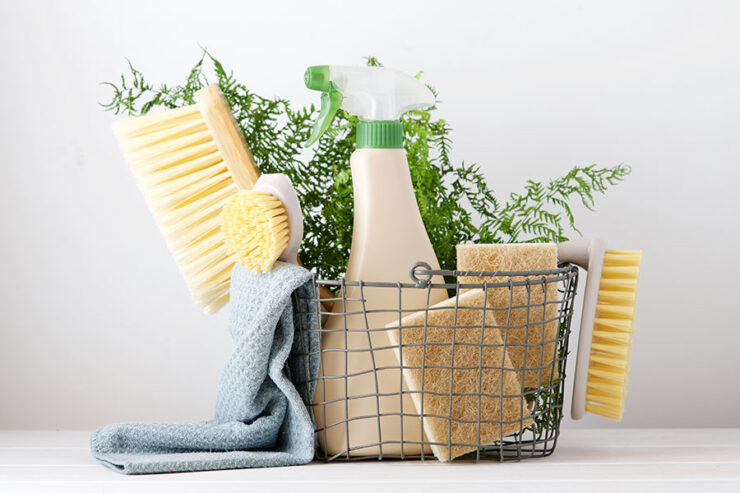
Building an eco-friendly cleaning kit is simple. Most of the ingredients are inexpensive and already in your kitchen. Here are some must-haves:

White Vinegar

A natural disinfectant that cuts through grease and kills bacteria. Perfect for windows, countertops, and bathroom tiles.

Baking Soda

Great for scrubbing surfaces, removing stains, and neutralizing odors.

Lemon Juice

Acts as a natural bleach and deodorizer. Ideal for cutting boards, sinks, and metal fixtures.

Castile Soap

A plant-based soap that can be used for floors, dishes, and even handwashing.

Essential Oils

Add fragrance and antibacterial properties. Popular choices include tea tree, lavender, and eucalyptus.

Mixing these ingredients allows you to create versatile, safe, and effective cleaning solutions for nearly every part of your home.

Room-by-Room Eco Cleaning Tips

Cleaning your home with eco-friendly products can help maintain your family’s health. These cleaners can be used on all areas of the house, but some areas may require extra care. Here are some tips for eco-friendly home cleaning:

Kitchen

The kitchen is one of the busiest and messiest areas in any home. For a natural all-purpose cleaner, mix one-part white vinegar with one part water in a spray bottle. Add a few drops of lemon essential oil for a fresh scent. This mixture easily removes grease from countertops and stovetops.

For cutting boards, sprinkle baking soda and rub with a halved lemon to disinfect and deodorize. If your microwave smells, place a bowl of water with lemon slices in it and heat it for a few minutes. The steam from the lemon slices will help lift dirt and grime, making it easier to clean.

Bathroom

Bathrooms are breeding grounds for mold and mildew. A paste made of baking soda and vinegar works wonders for cleaning tiles and grout. Spray pure vinegar on glass surfaces and mirrors to prevent water spots. For stubborn toilet stains, pour in a cup of baking soda followed by a cup of vinegar, let it fizz for 10 minutes, and scrub with a toilet brush.

Instead of chemical air fresheners, keep a small jar of baking soda with a few drops of essential oil on your bathroom shelf. It absorbs unpleasant odors naturally.

Living Room

Dust and pet hair can accumulate quickly in living spaces. Use microfiber cloths instead of paper towels—they trap dust without needing any sprays. To freshen upholstery, sprinkle a light layer of baking soda, let it sit for 15 minutes, and vacuum thoroughly.

For hardwood floors, mix a small amount of Castile soap with warm water. Mop gently and allow the surface to air dry. This method preserves the natural shine of the wood without leaving residues.

Bedroom

Clean air and fresh fabrics make a huge difference in how restful your sleep feels. Wash bed linens in cold water with eco-friendly detergent to reduce energy use. Add a half cup of white vinegar during the rinse cycle—it softens fabrics and eliminates bacteria naturally.

To keep the air fresh, open windows regularly and diffuse essential oils like lavender or chamomile instead of using aerosol sprays.

See also : Smart Marketing Tips to Grow Your Lifestyle Business

How to Build Sustainable Cleaning Habits

Adopting eco-friendly cleaning goes beyond ingredients—it’s also about your habits. Small, consistent actions make a big difference:

Choose Refillable Bottles

Reduce plastic waste by reusing spray bottles and refilling from bulk stores.

Use Reusable Cloths

Replace paper towels with washable microfiber or cotton rags.

Conserve Water

Turn off the tap while scrubbing or wiping surfaces.

Buy in Bulk

Purchase large quantities of ingredients like vinegar or baking soda to minimize packaging waste.

Compost and Recycle

Dispose of waste properly to close the sustainability loop.

By integrating these habits into your cleaning routine, you’ll create a home that’s not only spotless but also environmentally responsible.

Eco-friendly home cleaning isn’t about perfection—it’s about progress. Every small change, from switching to natural cleaners to reducing waste, contributes to a healthier planet and a safer home. By embracing simple ingredients and mindful habits, you can keep your living spaces clean, fresh, and free from toxins while doing your part to protect the environment.

Frequently Asked Questions

What are the best natural cleaning ingredients?

Vinegar, baking soda, lemon, and Castile soap are versatile, effective, and safe for most surfaces.

Are eco-friendly cleaners as effective as chemical ones?

Yes, when used correctly, natural ingredients can clean just as well as traditional products—without the harmful side effects.

Can I mix vinegar and baking soda for cleaning?

Yes, but use immediately, as the fizzing reaction helps lift dirt and grime before it settles.

How can I make my house smell fresh naturally?

Use essential oils, simmer citrus peels in water, or keep indoor plants to purify the air.

Are eco-friendly cleaning products safe for pets?

Generally, yes. Avoid using essential oils like tea tree or eucalyptus around cats and dogs, as they can be toxic in high concentrations.

Causes and Solutions for Smart Lighting Flashing

Smart lighting has become one of the most exciting innovations in smart home technology. With the ability to easily control lighting via a phone app or voice commands, smart lighting provides incredible convenience and flexibility in home lighting management.

However, as with any technology, problems can sometimes arise, and one common problem is flashing lights. In this article, we will explore some common causes of why smart lighting may flicker and solutions to overcome them.

Causes of your Smart Lighting Flashing

Several things cause your smart lighting to flicker and make you uncomfortable. Here we explain you:

1. Wi-Fi Signal Interference

Smart lighting usually connects to your home Wi-Fi network to receive commands from apps or other devices. Interference or instability in the Wi-Fi signal can cause the lights to flicker due to losing connection or receiving an unstable signal.

2. Disturbances in the Electrical Network

Electrical voltage fluctuations or disturbances in the home electrical network can also cause flashing lights. This can be caused by other household appliances consuming large amounts of power at the same time or problems in the home’s electrical system.

3. Incompatible Smart Devices

Some cases of flashing lights can be caused by an incompatibility between the smart lights and other smart devices you use, such as a Wi-Fi router or smart home gateway. Differences in communications protocols or incompatible software may result in interference and cause the lights to flicker.

Read also : The Role of Lawyers in Suing Schools

4. Lamp Hardware Problems

Although rare in high-quality products, problems with the light hardware itself can also be the cause of flashing lights. Components that are damaged or not functioning properly can interfere with the lamp’s performance.

Solution for Flashing Lights

This can also be prevented so that your smart lighting does not flicker. Here are some solutions that WhyBlinking.com summarizes to solve the problem of blinking smart lighting:

1. Strengthen Wi-Fi Signal

Ensuring that your home Wi-Fi network is working properly can help resolve flickering light issues caused by signal interference. You can strengthen the signal by using a Wi-Fi signal booster or moving the router to a more strategic location.

2. Update Software and Firmware

Make sure that all your smart devices have their software and firmware updated to the latest version. Sometimes, the flashing light issue can be resolved by updating the software to improve compatibility and performance.

Read also : 8 Unique Name Inspirations for K-Drama Lovers

3. Check Device Compatibility

Before purchasing a smart light or other smart device, make sure to check its compatibility with the devices you already own. This will help avoid problems caused by incompatibility between devices.

4. Check Hardware Condition

If the flashing light problem persists, check the physical condition of the light and ensure there is no visible damage or wear. If necessary, contact the manufacturer for assistance or replacement.

By paying attention to the causes and solutions for flashing lights in smart lighting, you can ensure that your experience using smart home technology remains smooth and enjoyable. With a little understanding and care, you can enjoy the full benefits of smart lighting without experiencing unwanted interruptions.