Monthly Archives: November 2025

Go Green at Home: Simple Natural Cleaning Hacks That Work

Keeping your home clean doesn’t have to come at the expense of the planet. In recent years, many people have become aware of the harsh chemicals hiding in traditional cleaning products. These substances not only harm the environment when washed down the drain but can also irritate your skin, trigger allergies, and affect indoor air quality.

Fortunately, there’s a better way—eco-friendly home cleaning. By choosing natural ingredients and sustainable habits, you can achieve the same sparkling results while protecting your family and the Earth.

Why Choose Eco-Friendly Cleaning?

Eco-friendly cleaning is more than a trend—it’s a lifestyle choice with real benefits. Traditional cleaning agents often contain volatile organic compounds (VOCs) and synthetic fragrances that can cause respiratory problems. When these chemicals enter waterways, they disrupt aquatic ecosystems and pollute the soil.

In contrast, green cleaning methods rely on biodegradable, plant-based ingredients that break down naturally without harming the environment. For example, vinegar and baking soda are safe alternatives to bleach and ammonia. They clean effectively, disinfect surfaces, and eliminate odors—all without producing toxic residues.

Another reason to go green is the health of your family. If you have children or pets, switching to eco-friendly products reduces their exposure to harmful chemicals. A home that smells of lemon and lavender instead of artificial scents instantly feels fresher and more welcoming.

Essential Eco-Friendly Cleaning Ingredients

Building an eco-friendly cleaning kit is simple. Most of the ingredients are inexpensive and already in your kitchen. Here are some must-haves:

White Vinegar

A natural disinfectant that cuts through grease and kills bacteria. Perfect for windows, countertops, and bathroom tiles.

Baking Soda

Great for scrubbing surfaces, removing stains, and neutralizing odors.

Lemon Juice

Acts as a natural bleach and deodorizer. Ideal for cutting boards, sinks, and metal fixtures.

Castile Soap

A plant-based soap that can be used for floors, dishes, and even handwashing.

Essential Oils

Add fragrance and antibacterial properties. Popular choices include tea tree, lavender, and eucalyptus.

Mixing these ingredients allows you to create versatile, safe, and effective cleaning solutions for nearly every part of your home.

Room-by-Room Eco Cleaning Tips

Cleaning your home with eco-friendly products can help maintain your family’s health. These cleaners can be used on all areas of the house, but some areas may require extra care. Here are some tips for eco-friendly home cleaning:

Kitchen

The kitchen is one of the busiest and messiest areas in any home. For a natural all-purpose cleaner, mix one-part white vinegar with one part water in a spray bottle. Add a few drops of lemon essential oil for a fresh scent. This mixture easily removes grease from countertops and stovetops.

For cutting boards, sprinkle baking soda and rub with a halved lemon to disinfect and deodorize. If your microwave smells, place a bowl of water with lemon slices in it and heat it for a few minutes. The steam from the lemon slices will help lift dirt and grime, making it easier to clean.

Bathroom

Bathrooms are breeding grounds for mold and mildew. A paste made of baking soda and vinegar works wonders for cleaning tiles and grout. Spray pure vinegar on glass surfaces and mirrors to prevent water spots. For stubborn toilet stains, pour in a cup of baking soda followed by a cup of vinegar, let it fizz for 10 minutes, and scrub with a toilet brush.

Instead of chemical air fresheners, keep a small jar of baking soda with a few drops of essential oil on your bathroom shelf. It absorbs unpleasant odors naturally.

Living Room

Dust and pet hair can accumulate quickly in living spaces. Use microfiber cloths instead of paper towels—they trap dust without needing any sprays. To freshen upholstery, sprinkle a light layer of baking soda, let it sit for 15 minutes, and vacuum thoroughly.

For hardwood floors, mix a small amount of Castile soap with warm water. Mop gently and allow the surface to air dry. This method preserves the natural shine of the wood without leaving residues.

Bedroom

Clean air and fresh fabrics make a huge difference in how restful your sleep feels. Wash bed linens in cold water with eco-friendly detergent to reduce energy use. Add a half cup of white vinegar during the rinse cycle—it softens fabrics and eliminates bacteria naturally.

To keep the air fresh, open windows regularly and diffuse essential oils like lavender or chamomile instead of using aerosol sprays.

See also : Smart Marketing Tips to Grow Your Lifestyle Business

How to Build Sustainable Cleaning Habits

Adopting eco-friendly cleaning goes beyond ingredients—it’s also about your habits. Small, consistent actions make a big difference:

Choose Refillable Bottles

Reduce plastic waste by reusing spray bottles and refilling from bulk stores.

Use Reusable Cloths

Replace paper towels with washable microfiber or cotton rags.

Conserve Water

Turn off the tap while scrubbing or wiping surfaces.

Buy in Bulk

Purchase large quantities of ingredients like vinegar or baking soda to minimize packaging waste.

Compost and Recycle

Dispose of waste properly to close the sustainability loop.

By integrating these habits into your cleaning routine, you’ll create a home that’s not only spotless but also environmentally responsible.

Eco-friendly home cleaning isn’t about perfection—it’s about progress. Every small change, from switching to natural cleaners to reducing waste, contributes to a healthier planet and a safer home. By embracing simple ingredients and mindful habits, you can keep your living spaces clean, fresh, and free from toxins while doing your part to protect the environment.

Frequently Asked Questions

What are the best natural cleaning ingredients?

Vinegar, baking soda, lemon, and Castile soap are versatile, effective, and safe for most surfaces.

Are eco-friendly cleaners as effective as chemical ones?

Yes, when used correctly, natural ingredients can clean just as well as traditional products—without the harmful side effects.

Can I mix vinegar and baking soda for cleaning?

Yes, but use immediately, as the fizzing reaction helps lift dirt and grime before it settles.

How can I make my house smell fresh naturally?

Use essential oils, simmer citrus peels in water, or keep indoor plants to purify the air.

Are eco-friendly cleaning products safe for pets?

Generally, yes. Avoid using essential oils like tea tree or eucalyptus around cats and dogs, as they can be toxic in high concentrations.


Smart Marketing Tips to Grow Your Lifestyle Business

Lifestyle entrepreneurs reflect on how they build businesses in the digital age. Unlike traditional entrepreneurs who prioritize growth and profit, lifestyle entrepreneurs focus on freedom, creativity, and balance. They design their businesses to support the life they desire—not the other way around.

Whether you’re a content creator, coach, digital nomad, or personal brand builder, mastering effective marketing strategies for lifestyle entrepreneurs is crucial to long-term success.

Understanding the Lifestyle Entrepreneur Mindset

A lifestyle entrepreneur’s mission isn’t just about money; it’s about designing a business that aligns with personal values. These entrepreneurs prioritize flexibility, authenticity, and passion. They want to make an impact while enjoying the process.

This mindset shapes every marketing decision. Instead of chasing aggressive advertising or short-term gains, lifestyle entrepreneurs often focus on relationship-based marketing, organic reach, and community building. They understand that people connect with people — not faceless brands.

The key is authenticity. In an era where audiences can spot insincerity instantly, being real about your journey, struggles, and purpose can build deeper connections than any paid campaign.

Building a Personal Brand that Reflects Your Lifestyle

For lifestyle entrepreneurs, personal branding is everything. Your personality, story, and values become your marketing tools. When people resonate with your lifestyle, they become loyal supporters.

Start by defining what your brand stands for. What lifestyle do you represent? What do you want your audience to feel when they interact with your brand? Whether it’s wellness, travel, minimalism, or creativity, make sure every piece of content aligns with that message.

Use social media, blogs, and videos to express your brand identity. Share behind-the-scenes moments, challenges, and lessons learned. When your audience sees the real you, they begin to trust you — and trust is the foundation of all successful marketing strategies for lifestyle entrepreneurs.

Content Marketing That Inspires and Converts

Content is at the heart of lifestyle marketing. Unlike hard-selling ads, content marketing allows you to share value, inspire others, and build credibility naturally.

Storytelling is a powerful tool here. Instead of promoting products directly, tell stories that show how your lifestyle reflects your brand’s mission. For example, a digital nomad coach might share travel hacks that subtly promote their coaching service, or a wellness influencer might show how mindfulness routines improve productivity.

User-generated content (UGC) also plays a huge role. Encourage your audience to share their own experiences using your product or ideas. It creates authenticity and boosts trust. When your community becomes part of your content, your marketing becomes both genuine and scalable.

Leveraging Social Media and Community Building

Social media is the backbone of most marketing strategies for lifestyle entrepreneurs. It allows you to reach global audiences, express your identity, and engage directly with followers.

However, not all platforms are equal. Choose platforms that align with your audience and lifestyle niche:

  • Instagram for visual storytelling and inspiration
  • YouTube for long-form content and tutorials
  • TikTok for short, relatable videos that show personality
  • LinkedIn for professionals and coaches

Focus on building a community, not just a following. Reply to comments, ask questions, and share user stories. A small but loyal community is far more valuable than a large, disengaged audience. You can also host live sessions, Q&As, or virtual meetups to create real-time connections.

Collaborations and Partnerships for Growth

Collaboration is one of the smartest marketing strategies for lifestyle entrepreneurs who want to grow without heavy ad spending. By partnering with like-minded brands or fellow creators, you can reach new audiences while maintaining authenticity.

There are many ways to collaborate:

  • Joint giveaways with complementary brands
  • Guest blog posts or podcast swaps
  • Co-created digital products or courses
  • Social media takeovers to cross-promote audiences

The best partnerships are win-win and values-aligned. For example, a sustainable fashion entrepreneur could collaborate with an eco-travel blogger to create a shared campaign about conscious living. These collaborations not only boost visibility but also strengthen your brand positioning.

Using Email Marketing and Automation Wisely

While social media gets all the attention, email marketing remains one of the most effective marketing strategies for lifestyle entrepreneurs. It allows for direct, personal communication with your audience — free from algorithm changes or platform limitations.

Your email strategy should feel like an extension of your brand — personal, conversational, and valuable. Share weekly insights, tips, or stories that reflect your lifestyle. When done right, email marketing builds trust and drives consistent engagement over time.

See also : Building an Organic Beverage Brand: Strategies for Long-Term Success

Measuring Success: Analytics and Sustainable Growth

Even though lifestyle entrepreneurs prioritize freedom and creativity, tracking results is still essential. You can’t improve what you don’t measure.

Start by focusing on metrics that truly reflect your goals. Instead of obsessing over vanity numbers like followers, pay attention to engagement rates, email open rates, conversions, and community growth.

Tools like Google Analytics, Meta Insights, and Notion dashboards can help you understand what’s working — and what’s not. But remember, success for a lifestyle entrepreneur isn’t just about numbers. Sustainable growth means expanding your impact without burning out.

The most effective marketing strategies for lifestyle entrepreneurs are those that balance creativity, strategy, and well-being.

At its core, marketing for lifestyle entrepreneurs is about storytelling, connection, and alignment. When your marketing reflects your authentic self, people don’t just buy from you; they believe in you.

So start crafting a marketing strategy that mirrors your lifestyle, not one that confines it. Build a personal brand, create meaningful content, and grow your community with intention. Your life is your brand — market it wisely, and your business will naturally thrive.

Frequently Asked Questions

What is a lifestyle entrepreneur?

A lifestyle entrepreneur builds a business that supports their ideal way of living rather than focusing solely on profit.

Why is personal branding important?

Personal branding helps lifestyle entrepreneurs attract loyal audiences who connect with their story and values.

How can content marketing help?

Content marketing inspires trust and promotes products naturally through storytelling.

What social media works best?

Instagram, YouTube, and TikTok are great for lifestyle-focused content.

Are collaborations useful?

Yes, they expand reach and build credibility.

Building an Organic Beverage Brand: Strategies for Long-Term Success

The organic beverage industry has seen massive growth over the past decade, with demand driven by people seeking transparency, clean ingredients, and eco-friendly production. Building a successful organic beverage brand requires more than just crafting a delicious drink — it involves strategic planning, authentic branding, and sustainable practices that resonate with consumers.

If you’ve ever wondered how to create an organic beverage brand, this guide walks you through every essential step, from market research to long-term growth.

Understanding the Organic Beverage Market

Before diving into formulation or packaging, it’s vital to understand the market landscape. The organic beverage sector encompasses juices, teas, kombucha, plant-based milks, and functional drinks that prioritize natural ingredients. According to global research reports, this industry continues to expand by more than 10% annually, driven by consumer awareness of health and sustainability.

To succeed, you must identify your target audience early. Are you catering to active millennials seeking energy from natural sources? Or health enthusiasts who prefer low-sugar, preservative-free drinks? The clearer your customer profile, the easier it becomes to develop products that match their expectations.

Competitor analysis is also essential. Study successful organic beverage brands — how they communicate, where they sell, and what makes them unique. This information will guide your positioning strategy and help you carve out your niche in a crowded market.

Defining Your Brand Identity

A strong brand identity reflects the heart and purpose of your company. It reflects your values, story, and promise to customers. Start by defining your mission — are you focused on sustainability, local resources, or health innovation? A clear purpose will build rapport with your target audience.

Brand storytelling is a powerful tool. Consumers love brands with authentic origins: perhaps your recipes come from traditional family methods, or your ingredients are sourced from small organic farms. Share that story openly — it builds trust and emotional engagement.

A memorable name, logo, and tagline should reflect your values and aesthetics. Simplicity often works best, especially when paired with natural colors and clean design elements that convey purity and health.

Product Development and Quality Control

Creating an organic beverage isn’t just about mixing ingredients; it’s about ensuring quality, safety, and compliance. Every ingredient must meet organic certification standards, such as USDA Organic or EU Organic labels, depending on your target market.

Collaborate with food scientists or experienced formulators who can help balance flavor, texture, and shelf life without compromising the organic integrity of your product. Don’t underestimate the importance of taste tests — even the healthiest drink will fail if it doesn’t delight consumers.

Quality control is a continuous process. Regular lab testing ensures consistency in flavor, safety, and nutrient content. Reliable production partners who share your organic values can help maintain these standards as your brand scales.

Sustainable and Eye-Catching Packaging

Packaging is often the first impression your customer gets. For organic beverages, it should communicate both sustainability and aesthetic appeal. Consumers are drawn to eco-friendly materials like recycled glass, biodegradable plastics, or aluminum cans that can be reused.

Your design should reflect your brand’s personality — whether minimalist and modern or earthy and artisanal. Be transparent on your labels. Highlight certifications, ingredients, and your environmental commitments. In a market flooded with “greenwashing,” honesty can be your strongest marketing advantage.

See also : Managing Stress through a Holistic Health Approach

Marketing and Brand Awareness Strategies

Even the best product will go unnoticed without the right marketing strategy. Digital marketing is your most powerful tool to reach conscious consumers. Create a strong presence on social media platforms like Instagram, TikTok, and YouTube, where visual storytelling thrives.

Share behind-the-scenes content — from sourcing organic ingredients to your production process. Collaborate with health influencers who genuinely share your values. Email marketing can also help you build relationships with loyal customers by offering tips, recipes, and exclusive updates.

Search engine optimization (SEO) is another key element. Writing blogs on topics like “healthy lifestyle,” “organic drink benefits,” or how to create an organic beverage brand can boost your website’s visibility and attract organic traffic. Combining storytelling with valuable content will position your brand as an authority in the industry.

Distribution and Sales Channels

Once your product and branding are ready, you need to choose the right sales strategy. Partner with health food stores, cafes, and fitness centers that align with your values. Participate in farmers’ markets and organic fairs to gather feedback directly from customers. As your brand grows, explore collaborations with wholesalers and supermarkets — but always ensure production can keep up with demand.

Logistics are another key consideration. Organic products often require specific storage and transport conditions to maintain quality. Investing in efficient, sustainable logistics will prevent waste and reinforce your brand’s eco-friendly image.

Building Long-Term Brand Loyalty

Customer loyalty in the organic beverage market stems from transparency, consistency, and shared values. Engage with your community beyond transactions — listen to feedback, respond to reviews, and show appreciation to loyal buyers.

Consider introducing loyalty programs, subscription services, or eco-reward initiatives that encourage customers to return bottles or packaging for discounts. These not only promote sustainability but also strengthen your brand relationship.

Building a successful organic beverage brand is an exciting journey that blends creativity, ethics, and innovation. If you’re wondering how to create an organic beverage brand, remember that success comes from more than just a recipe — it’s about creating an experience that aligns with people’s values and lifestyles.

Now is the time to take your first step. Start researching, connect with organic suppliers, and turn your vision into a beverage brand that inspires wellness and sustainability.

Frequently Asked Questions

What makes an organic beverage brand successful?

A successful organic beverage brand combines high-quality ingredients, authentic storytelling, sustainable packaging, and strong marketing strategies.

How can I get organic certification for my drinks?

You can apply through official organizations like USDA or EU Organic by meeting their strict farming and production standards.

Is packaging important for organic drinks?

Yes, eco-friendly and appealing packaging builds trust and reflects brand values.

How do I market my organic beverage brand?

Use SEO, social media, influencer partnerships, and storytelling.

What mistakes should I avoid?

Avoid poor research, skipping certification, and neglecting quality control.

Managing Stress through a Holistic Health Approach

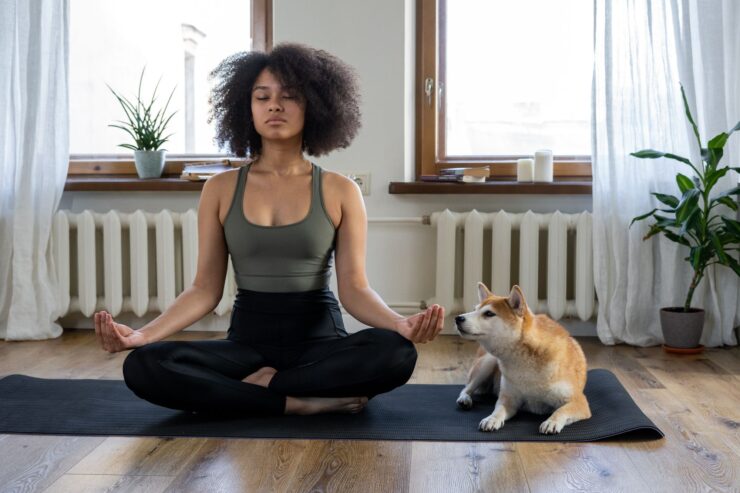
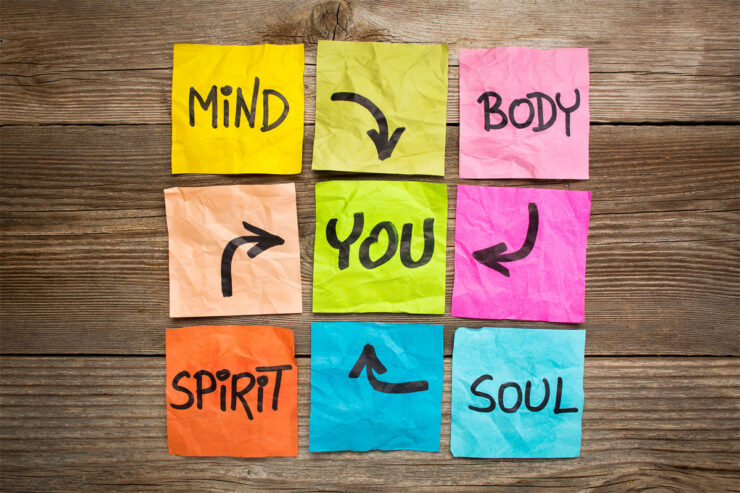
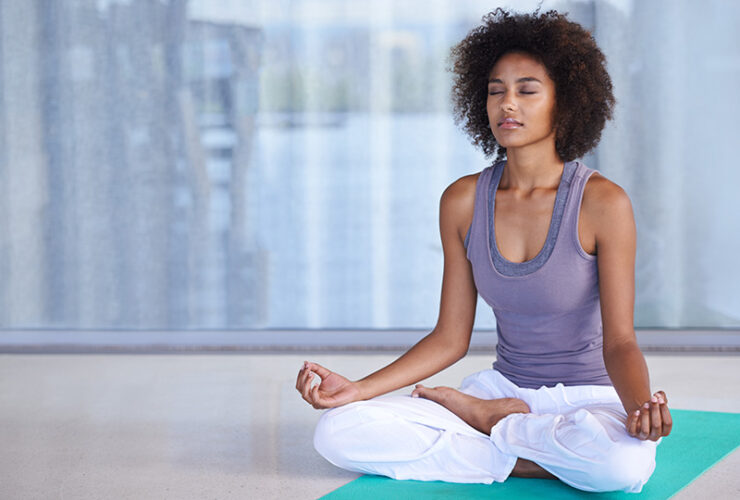
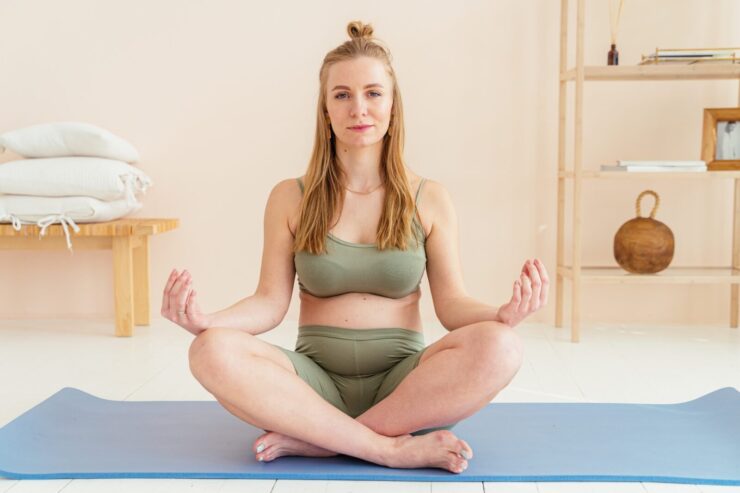
A holistic health approach offers an effective way to relieve stress by combining various aspects of human life in a balanced way. Practices such as meditation, yoga, and breathing exercises help calm the mind while stabilizing the body’s response to emotional stress. Conversely, attention to physical health through a nutritious diet and regular exercise supports hormonal balance and increases positive energy in the body.

Emotional and Social Balance

Furthermore, emotional and social well-being also play a crucial role in reducing stress. Setting aside time to pursue hobbies, strengthen relationships with family and friends, or simply share stories with trusted people can strengthen a sense of community and social support. This combination of mental, physical, and social health creates greater resilience to life’s stresses and helps one approach each day with a sense of calm and balance.

Mind and Body Management

Here are some mind and body management exercises you should try:

Mindfulness and Meditation

Training yourself to be truly present in each moment is an effective way to calm your mind and reduce stress levels. This practice helps you become more aware of your breath, thoughts, and bodily sensations without judgment, creating a sense of calm and inner balance.

Techniques include deep breathing to slow your heart rate, positive visualizations that foster inner calm, and body scan meditations that help identify and release physical tension. With a consistent routine, meditation can foster mental resilience and clarity of thought in the face of life’s stresses.

Progressive Muscle Relaxation

This technique teaches how to identify and release stored tension in the body through a process of tensing and then relaxing muscle groups sequentially. This exercise effectively helps the body identify tense areas and return the body to a relaxed state.

In addition to calming the body, progressive muscle relaxation also affects emotional stability because relaxation signals from the body are sent to the brain, reducing anxiety and mental stress. With regular practice, a person can become more sensitive to stress signals and restore their body’s balance more quickly.

Journaling

Expressing thoughts and feelings through writing can be a healthy emotional outlet. Writing allows a person to channel worries, self-reflections, and feelings that are difficult to express verbally. This activity also helps clarify thoughts, identify stress patterns, and find new perspectives on problems. By making journaling a daily habit, individuals can build inner peace, better understand themselves, and cultivate gratitude for the little things in life.

Restful Sleep

Sleep quality has a direct impact on mental and physical health. Adequate sleep helps the brain regulate emotions, repair body cells, and maintain an optimal immune system. Lack of sleep can trigger irritability, difficulty concentrating, and increase stress hormones.

To get quality sleep, create a calming nighttime routine such as light reading, a warm bath, or meditation before bed. Also, ensure your bedroom environment is comfortable, dark, cool, and free from noise distractions so your body and mind can truly rest.

See also : Natural Secrets to Maintaining a Strong Immune System

Interact with Nature

Spending time outdoors is a simple yet powerful way to restore inner peace. Activities like walking in the park, hiking, or simply sitting under a tree can lower cortisol levels and stimulate feelings of gratitude and happiness.

Nature provides a space for the mind to rest from the hustle and bustle of modern life. Exposure to sunlight and fresh air also increases vitamin D levels and positive energy, helping you feel more refreshed, focused, and balanced in your daily routine.

Social and Emotional Well-Being

You can achieve social and emotional well-being in the following ways:

Social Support Network

Forming warm and supportive relationships with those around you is an important foundation for emotional health. The presence of caring friends, family, or a community can be a source of comfort, a place to share stories, and a support system when facing life’s stresses.

Social support not only provides a sense of security but also helps broaden perspectives and strengthen a sense of belonging. By maintaining open and empathetic communication, one can build healthy bonds and strengthen emotional resilience against stress and loneliness.

Enjoying Leisure Time and Hobbies

Engaging in enjoyable activities provides an opportunity for the mind to take a break from the daily routine and burdens. Pursuing hobbies such as reading, painting, gardening, listening to music, or creating can help channel positive energy and foster a sense of satisfaction and happiness.

Recreational activities also play an important role in maintaining a balance between work and personal life. By taking time to do things you enjoy, one not only reduces stress but also strengthens one’s connection with oneself and enriches one’s quality of life.

Frequently Asked Questions

What are the main benefits of a holistic health approach to stress reduction?

A holistic approach helps balance the mind, body, and emotions, allowing a person to be calmer, more focused, and more resilient to the stresses of everyday life.

How long does it take to feel the benefits of meditation or yoga?

Results vary from person to person, but with a few weeks of regular practice, people generally begin to notice improved concentration, calmness, and a decrease in stress.

How can diet affect stress levels?

Nutritious foods like fruits, vegetables, and lean protein help stabilize energy and mood, while excessive consumption of sugar, caffeine, or processed foods can actually exacerbate stress.

Why are social connections important for maintaining mental health?

Support from friends, family, or a community provides a sense of security and emotional connection, helping a person cope with difficulties and strengthening overall psychological well-being.

Natural Secrets to Maintaining a Strong Immune System

Boosting your immune system can be done naturally by adopting a balanced and sustainable lifestyle. Start by consuming nutritious foods rich in vitamins, minerals, and antioxidants to help your body fight infection.

Regular exercise also plays a vital role in maintaining blood circulation and improving the function of immune cells. Furthermore, ensuring adequate sleep every night helps the body regenerate and strengthens the immune system optimally.

Change Your Eating Habits and Lifestyle

Pay attention to the following:

Consume Highly Nutritious Foods

Choose natural foods rich in vitamins, minerals, and antioxidants, such as brightly colored fruits, green vegetables, nuts, and whole grains. Lean protein sources like fish, chicken, and tofu also help strengthen body tissues and support the formation of immune cells.

Not only the type of food, but also the balance of portion sizes is important. Consuming healthy fats from avocados, olive oil, or seafood can help regulate inflammation and maintain vital organ function. With a balanced, diverse diet, the body will have an adequate supply of nutrients to support the immune system naturally.

Stay Hydrated

Water plays a major role in the body’s detoxification process and the smooth functioning of the metabolic system. Drinking enough water every day helps flush toxins from the body and maintains the function of the lymphatic system, which plays a vital role in defending against infection.

Dehydration can make the body fatigued and impair the function of vital organs. Therefore, make it a habit to drink water regularly, even before you feel thirsty. Adding water, herbal tea, or fruits with high water content like watermelon and oranges can help meet your daily fluid needs naturally.

Get Adequate Sleep

Sleep is not only a time to rest, but also when the body repairs cells and strengthens the immune system. Aim for 7 to 8 hours of sleep each night to give your body enough time to restore energy and balance hormones.

Long-term sleep deprivation can reduce immune cell production and increase the risk of disease. For quality sleep, create a calming nighttime routine, avoid using gadgets before bed, and ensure the room is comfortable and dark.

Exercise Consistently

Regular physical activity helps improve blood circulation, allowing immune cells to work more efficiently in fighting pathogens. It doesn’t have to be strenuous; simple activities like walking, cycling, or yoga can have a positive impact on the immune system.

In addition to boosting immunity, exercise also helps reduce stress and improve sleep quality. Do physical activities you enjoy so you can maintain this habit long-term without feeling burdened.

Manage Stress Wisely

Prolonged mental stress can disrupt hormonal balance and weaken the immune system. Therefore, it’s important to find effective ways to manage stress, such as meditation, deep breathing, or creative activities that calm the mind.

Creating time for you also helps maintain emotional stability. Take time to rest, interact with loved ones, or simply enjoy hobbies to keep your mind calm and your body functioning optimally.

Stay Away from Cigarettes and Limit Alcohol Consumption

Avoiding cigarettes and controlling alcohol intake not only strengthens the immune system but also maintains heart and respiratory health. If quitting completely is difficult, start by reducing the frequency and replacing it with positive habits like exercising or drinking more water.

Maintaining Personal Hygiene

Simple habits like washing your hands with soap before eating or after outdoor activities can prevent the spread of germs and viruses. While it may seem trivial, this step is effective in reducing the risk of infections that can weaken the immune system.

Additionally, ensure that your environment is kept clean. Keeping eating utensils, bedding, and surfaces clean helps create a healthy living space and supports the body’s ability to fight disease.

Foods And Drinks to Consider

Try to include the following healthy foods:

Foods Rich In Vitamins and Minerals

To strengthen your immune system, ensure that each meal includes a variety of natural sources of vitamins and minerals. Fruits like oranges, kiwis, and strawberries are rich in vitamin C, which helps boost immune cell production.

Meanwhile, green leafy vegetables like spinach and kale, as well as red peppers and carrots; provide antioxidants and other essential nutrients that keep your body’s cells healthy. Nuts, seeds, and tubers are also important because they contain zinc, magnesium, and iron, which play a role in maintaining body function and energy.

Foods Containing Natural Probiotics

Digestive health is closely linked to a strong immune system. Fermented foods like yogurt, kefir, kimchi, and tempeh contain probiotics that help maintain the balance of good bacteria in the gut. These microorganisms play a vital role in maintaining the body’s immune system and improving nutrient absorption. Regularly consuming probiotics can also reduce the risk of digestive disorders and help the body respond to infections more quickly.

See also : Benefits and How to Consume Healthy Fermented Drinks

Frequently Asked Questions

What is the most effective way to naturally boost your immune system?

The most effective way is to maintain a balanced diet, get enough sleep, exercise regularly, manage stress, and avoid bad habits like smoking and excessive alcohol consumption.

Can certain foods help strengthen the immune system?

Yes, vitamin- and mineral-rich foods like citrus fruits, green vegetables, whole grains, and spices like ginger and turmeric can help strengthen the immune system.

Are probiotics really important for the immune system?

Probiotics help maintain the balance of good bacteria in the gut, which plays a major role in supporting healthy immune function and digestion.

Are drinks like green tea or cinnamon honey water really beneficial?

Yes, both drinks contain antioxidants and natural compounds that help fight free radicals, reduce inflammation, and keep the body fit and refreshed.

Benefits and How to Consume Healthy Fermented Drinks

Fermented drinks play an important role in maintaining digestive health because they contain probiotics, beneficial microorganisms that help rebalance the gut flora. This balanced microbiome supports digestive system function, improves nutrient absorption, and strengthens the immune system. Furthermore, during the fermentation process, antinutrient compounds are broken down, making the remaining nutrients more easily absorbed by the body.

Benefits for Gut Health

Here are the benefits of fermented drinks for gut health:

Increases The Population of Good Bacteria

Fermented drinks are an abundant natural source of probiotics, live microorganisms that support a balanced microbial ecosystem in the digestive tract. The presence of probiotics helps replace harmful bacteria with beneficial bacteria, resulting in a more stable and healthy gut.

In addition to balancing the microbiome, regular consumption of fermented drinks also improves the gut environment, enabling it to function optimally. A harmonious microbiome plays a role in protecting the intestinal lining from disruption and maintaining efficient metabolic processes.

Helps Smooth Digestion

The probiotics contained in fermented drinks function to facilitate the process of breaking down food in the digestive system. With the help of these microorganisms, the body more easily breaks down complex substances into simpler components for absorption.

Furthermore, maintaining a balanced intestinal flora helps prevent disorders such as constipation, diarrhea, or bloating. Therefore, consuming fermented drinks not only supports smooth digestion but also improves stomach comfort.

Optimizes Nutrient Absorption

During fermentation, compounds that inhibit nutrient absorption, such as antinutrients, are broken down. This allows vitamins, minerals, and other essential nutrients to be more easily absorbed by the body.

This makes fermented drinks a natural supplement that helps increase the efficiency of nutrient absorption from daily foods. The body thus obtains maximum benefits from every intake.

Boosts the Immune System

Gut health is closely linked to the strength of the immune system, as the majority of immune cells are located in the digestive tract. By maintaining a balanced microbiome through probiotic consumption, the body’s defense function becomes more resilient against disease.

In addition to protecting against infection, a healthy microbiome also helps regulate the immune response to prevent overactivity. This is important to prevent autoimmune reactions and maintain a stable body condition.

Reduces The Risk of Intestinal Inflammation

Some fermented beverages, such as kombucha or kefir, contain bioactive compounds with anti-inflammatory properties. These compounds can soothe irritated intestinal tissue and help repair its protective lining.

By reducing inflammation, the digestive process can proceed more efficiently and abdominal discomfort is reduced. This effect can also support recovery for individuals with mild intestinal disorders.

Relieves Mild Digestive Disorders

Regular consumption of fermented beverages, especially those containing active probiotics like kefir, can help relieve digestive symptoms such as bloating, excess gas, or a feeling of fullness. Probiotics work by rebalancing the gut microflora and reducing excess gas production.

In addition to providing a soothing effect on the digestive tract, consuming fermented beverages can also help the body adapt to dietary changes. This makes them a natural choice for maintaining daily digestive comfort.

See also : How to Live Mindfully in a Busy City: A Beginner’s Guide

Adding Fermented Drinks to Your Daily Routine

Some fermented beverages you can try include:

Kefir

Kefir is a fermented milk drink containing various types of active probiotics. The fermentation process breaks down most of the lactose, making it easier to digest, even for individuals with milk sensitivities. Its slightly sour taste and smooth texture make it a refreshing choice for any time of day.

Kefir can be drunk straight or added to smoothies, cereals, or fruit smoothies. Regularly consuming kefir daily helps maintain the balance of the gut microbiome and supports healthier digestion.

Kombucha

Kombucha is a fermented tea drink using a symbiotic colony of bacteria and yeast, resulting in a naturally carbonated beverage with a distinctive sweet-sour flavor. During the fermentation process, various bioactive compounds, such as organic acids and enzymes, are formed that are beneficial to the body.

This drink can be consumed as a healthy alternative to soda because it contains natural probiotics and is relatively low in sugar. Kombucha also helps maintain energy and supports metabolic function when consumed regularly in moderate amounts.

Beet Kvass

Beet kvass is a traditional fermented drink originating from Eastern Europe and made from red beets that are soaked and undergo a natural fermentation process. This fermentation produces a drink with a deep red color, a distinctive earthy flavor, and healthy probiotic content.

In addition to containing good bacteria, beet kvass is also rich in vitamins and antioxidants from beetroot, which help boost immunity and promote natural detoxification. Adding beet kvass to your daily routine can be a natural way to support liver and digestive health.

Natural Sources of Probiotics

Fermented beverages are a source of natural probiotics, which play an important role in maintaining gut health and the immune system. Regularly consuming beverages like kefir, kombucha, or beet kvass can benefit your body by improving digestion, optimizing nutrient absorption, and protecting against inflammation. Besides being healthy, fermented beverages are also easy to integrate into your daily diet as a natural option to support overall body balance.

Frequently Asked Questions

What are the benefits of fermented drinks?

Maintaining gut micro biome balance, improving digestion, and strengthening the immune system.

Who can consume it?

Generally safe for everyone, but it’s best to start with a small portion if you have digestive issues.

When is the best time to drink it?

Ideally, drink it in the morning or after meals to allow the probiotics to work more effectively.

Can it replace probiotic supplements?

It can be a natural alternative, but for special conditions, it’s best to consult a doctor.

How to Live Mindfully in a Busy City: A Beginner’s Guide

Mindfulness is a necessity for those with busy routines. In this article, you will learn how to live mindfully in a busy city. Living in an urban area means you have to take care of more things. You have to make sure your work is taken care of properly while also maintaining your well-being.

Mindfulness Guide in the Midst of a Busy Life

Mindfulness is important for all humans in order to reduce anxiety and stress. A person cannot immediately change their life to be mindful; it takes practice to get used to living mindfully. The more accustomed you are to mindfulness practice, the wiser you will be at managing your emotions, your mood will improve, and you will be more focused.

There are many more benefits of mindfulness, depending on the practices you do. Even if they are simple practices, mindful living can have a big impact on your life. For those who live in a busy city, it is even more important to adopt this lifestyle.

As a life coach, I will explain how to live mindfully in a busy city. Please note that mindful living requires consistency. So make sure you are fully aware of the practices below and commit to them.

Savor Your Meal

When eating, avoid doing other things, even if it’s for work. Some people tend to prepare entertainment before enjoying their meal. It’s better to focus on your food by feeling its texture and taste.

There’s no need to rush each bite; enjoy it slowly and let your tongue explain the details of the taste. In addition to mindfulness, this tip can also support your digestive health. Finishing a meal doesn’t take long, only a few minutes, so it won’t interfere with your productivity.

Be Grateful

You have already gained many things in life. Be sure to be grateful for what you have and think more simply. Avoid feeling upset because your friends have gained more than you have in their lives.

Comparing yourself to others in terms of life achievements is one of the causes of not living mindfully. The more grateful you are, the more likely you are to find peace in life.

Avoid Distractions from Non-Priorities

How to live mindfully in a busy city? Open your smartphone and turn off notifications, especially from non-priority apps. The gadgets we use every day can indeed help us do many activities. But on the other hand, phones can also be a source of distraction.

If you are waiting for important information, that’s okay because it is a priority. The fewer distractions from your gadgets, the more focused you will be on your daily activities.

Make Time to Practice Breathing

Breathing exercises are often considered trivial, even though they are crucial for mindful living. You must be aware of each stage of your breathing for 3-5 minutes. Take a deep breath and hold it for a moment.

When exhaling, do it slowly, don’t rush. Mindful breathing means you only focus on your breathing rhythm. Let go of other thoughts so that this exercise is beneficial. So what can you gain from mindful breathing? You can prevent tension, ease your mind, and improve your nervous system.

Mindful Walking

Unlike regular walking, mindful walking involves being more aware of your steps and your surroundings. Pay attention to every physical movement, from the swing of your arms to the rhythm of your body and the movement of your feet.

Mindful walking should not be rushed. You should also not think about heavy matters. If you are unable to walk outside, you can do this at home or at the office.

Acknowledge Your Feelings Amidst Busyness

How to live mindfully in a busy city? In the midst of your busyness, be more deeply aware of yourself. Sometimes, we are so busy that we forget to check in with ourselves. Check your physical and emotional state to see if you are tired or still able to do the next activity.

You can tell when you need a break by taking the time to recognize your state. Don’t let your busy schedule make you forget to eat and drink. Find out whether you are hungry and thirsty or not.

You may not be immediately accustomed to this method, so it takes practice. If you get used to recognizing your self-state, you can be more sensitive to physical and emotional signals.

See also : Minimalist Lifestyle Habits for Urban Professionals Explained

Take Time for a Full Break

What is a full break? It means you completely stop your work or activities. This mindful break allows you to reap the significant benefits of rest time. When taking a mindful break, you need to look at and feel your surroundings.

Notice the surrounding landscape, people passing by, and your presence. Understand what you are feeling at that moment and feel your physical state as well. If sleep can rest your mind and body, a mindful break can do the same, but in less time.

Frequently Asked Questions

What does mindful living mean?

Living more consciously, being aware of the moments or activities we are doing. Although it may be confusing at first, through regular practice, you can become more mindful.

What are the steps to mindfulness?

You can breathe consciously through each process, starting from sitting down, closing your eyes, and feeling your breath. You can also be mindful during various activities, such as exercising, playing, and working.

What is mindfulness meditation?

Mindfulness meditation means focusing more on your breath and posture. Although it may seem trivial, this meditation practice can have a big impact on your mental health.

How long should mindfulness practice be?

How to live mindfully in a busy city? You can start by meditating for 2-5 minutes. If you are already accustomed to meditation, you can do it for up to 10 minutes and make sure you feel comfortable.

Minimalist Lifestyle Habits for Urban Professionals Explained

If you are an urban professional, you may feel a lot of pressure in the city. You need to know minimalist lifestyle habits for urban professionals in order to better ensure your well-being. The minimalist lifestyle has become a trend because of its benefits, especially for those who live in cities.

Minimalist Lifestyle Habits in Everyday Life

Living minimally means realizing that you don’t need to have too many possessions or desires in life. Instead of wanting to accumulate more things, quality becomes the priority. The less we have to manage in life, the lower our stress levels and the more focused we can be at work.

Urban professionals need to start adopting this lifestyle now. They live under a lot of pressure but must remain fully aware of life and the need for well-being. One cause of stress and lack of focus in life is distraction.

If you live more minimally, there will be fewer distractions, meaning you can focus more on your work. Urban professionals need to understand what minimalist habits are so they can be productive every day. As a wellness coach, I will give you tips on how to live a more minimalist life.

Here are some minimalist lifestyle habits for urban professionals:

Delete Irrelevant Apps

Perhaps not all apps on your phone are used frequently. Try checking which apps are installed and determining which ones are not a priority. Not only can you live more minimally, but you can also save phone storage space.

Apps that should be deleted are those that don’t really support productivity, tend to cause distractions, and are rarely used.

Make Your Workspace Simpler

Take another look at your workspace—is it minimalist enough? It’s important to keep your workspace dedicated solely to work, not for breakfast, entertainment, and so on. Keep only what you need for work in that space and put the rest elsewhere.

You can work more calmly and organized if there are not too many items in your workspace. The fewer items you have, the faster you can find things. Not only is this good for your focus, but you can also work more efficiently.

Unsubscribing & Unfollowing

Check all the email newsletters you subscribe to, and consider unsubscribing if you don’t really need them. Also, check your social media accounts to see if there are any that aren’t really useful to your life. When doing this, remember the principle of minimalism, which means quality is better than quantity.

With these minimalist lifestyle habits for urban professionals, you can control your information intake. If you don’t receive too much information, this can also prevent stress.

Review Your Daily Routine

Your daily routine should also be minimalist. If you can’t make a schedule, try making one now by writing down your activities and the times. After checking your routine list, you can figure out which activities are the most important and which are less important.

Make your weekday schedule more minimalist but still complete from early morning until you get home from work. If you feel that there are activities that don’t contribute much to your life, replace them with other better minimalist lifestyle habits for urban professionals.

Evaluating your daily schedule can ensure that your time is used more effectively. You can also save more energy for productive things.

Digital Minimalism Practice

Digital minimalism practices vary depending on your gadget features and how you use them. One practice you should adopt is turning off notifications, but only for non-essential ones. You should keep notifications enabled for apps that support your productivity.

Many devices now come with Focus Mode. Each device may have a different name for this feature, which serves to prevent distractions when you need to focus intensely. Another digital minimalism practice, but quite extreme, is not using gadgets at all.

Choose one day a week when you don’t use gadgets at all. This isn’t just about organizing your life to be more minimalist but also about cultivating a wellness mindset.

See also : Morning Rituals to Improve Focus and Energy: Easy Guide

Discover Your Non-Priorities

The more you know what is not a priority in your life, the easier it is to live more minimally. You can reflect for a moment or meditate to understand what you are pursuing in life.

Decide on 3-5 things you must do today to guide you towards your life goals. Once you know what your priorities are, they can become an anchor for your daily life.

How important is a minimalist lifestyle? A minimalist lifestyle can help you focus more easily, which in turn can increase productivity. We can appreciate more what we already have, whether it be experiences, work, or possessions. You can also make wiser decisions in life with a minimalist lifestyle.

Frequently Asked Questions

What does minimalism mean in life?

Living minimally means prioritizing simplicity in your daily life, whether it be in your activities, possessions, or thoughts. If you adopt a minimalist lifestyle, you can more easily find happiness.

Why is a minimalist lifestyle important?

You can avoid excessive stress and live a more organized life. Financially, you can also reduce your burden and be better equipped to manage your finances wisely.

How do you live a minimalist lifestyle?

Get rid of items that are no longer needed, organize your finances to know what to prioritize, and try to do a digital detox. You also need time for reflection to understand your life more deeply.

How does a minimalist lifestyle affect mental health?

If you live minimally, you will be more organized and calmer. Minimalist lifestyle habits for urban professionals are very important because they can help avoid anxiety and reduce stress.

Morning Rituals to Improve Focus and Energy: Easy Guide

Do you want to feel more energetic when you wake up in the morning? You need morning rituals to improve focus and energy. With a clear mind, you can start your day with greater focus. Meanwhile, sufficient energy in the morning can prepare your mind and body for the day’s activities.

Improve Focus & Energy with These Morning Rituals

The better you start your day, the more you can avoid stress and increase productivity. Planning a morning ritual requires commitment and awareness so that you can be consistent. What you do in the morning can determine your lifestyle.

Distractions in the morning are inevitable. But we must anticipate them or reduce them. Mornings should be free of distractions because you are just starting your day. As a life coach, I will share with you essential morning rituals to improve focus and energy.

Breathe Slowly and Steadily

After you wake up, try to sit comfortably and regulate your breathing as if you were meditating. Breathe slowly, without rushing, with an empty mind. Breathing is not only healthy for your mind but also your body.

How long should you meditate on your breathing? Five minutes is enough, or if you have more free time, ten minutes is sufficient. Each breath should be slow, as should holding your breath and exhaling.

The benefits of breathing slowly and steadily are that it helps the mind focus, reduces anxiety, and restores the mind. Make sure there are no loud noises around you or other distractions for maximum results.

Light Physical Activity

You don’t have to leave the house if you don’t want to do light activities. If you usually go outside, find a comfortable area to exercise. Look for an area with minimal pollution and not too far from where you are.

If you are indoors, you can choose between yoga, simple workouts, or stretching. Your body can get natural energy from physical activity, even though it will definitely make you tired afterwards. Blood flow can also be more optimal, which is good for improving focus.

You can also feel fresher and more energetic after physical activity because it triggers the release of endorphins. Play your favorite music to get more motivated during your morning workout session.

Find Your Personal Source of Motivation

Everyone has different sources of motivation. It could be self-talk, talking to your partner, writing in a journal, or listening to the radio. Sometimes, you can’t rely on yourself to get motivated.

You need external sources to help boost your motivation. To remind yourself to stay motivated, you can put up posters or motivational quotes in your room.

See also : Daily Wellness Routines for a Balanced Life: Ultimate Guide

Prepare Your Favorite Breakfast

One of the morning rituals to improve focus and energy is to choose the right breakfast. Consuming your favorite foods or drinks can improve your mood. But you also need to pay attention to the nutritional content of your breakfast.

Consider the protein, complex carbohydrates, and vitamins in your breakfast menu. If you eat a nutritious breakfast, you will have more energy that you can rely on for various activities. A nutritious breakfast can also stabilize your blood sugar so that you don’t get tired easily after activities.

You may not be as productive if you skip breakfast. Even if it’s just a small portion, breakfast is a must. Healthy breakfast options include Greek yogurt, oatmeal, eggs, berries, nuts, whole-grain toast, and many more.

Avoid Using Gadgets

You can check your gadgets, but only for a few minutes. It’s even better if you don’t touch your phone at all in the morning. Why? Gadget activity can add to your mental load and cause distractions.

It’s better to focus on morning rituals to improve focus and energy beforehand. You can achieve a calmer mind, making it easier to focus in the morning.

Short Meditation

You don’t need to meditate for long, just about 7 minutes, maybe less or more. The more you get used to meditating, the more you will benefit from it. Meditation can provide significant benefits for your mental well-being.

When meditating, you will feel relaxed through ideal posture and steady breathing. To start the day, meditation is important for controlling emotions and calming your mind. Make sure you breathe slowly, not too fast.

Although this is just about breathing, you can really feel the impact because breathing is one of the wellness practices. You can more easily become aware of your existence in life and be more focused on your activities. You can also get rid of bad moods if you meditate correctly.

Plan Your To-Do List

If you know what you’re going to do today, it will be easier to focus. You can also save energy when doing the activities on your list because they have been prepared in advance. So, that’s all about several morning rituals to improve your energy and focus.

Frequently Asked Questions

How can I stay motivated every morning?

You can choose healthy activities at the start of the day, such as drinking mineral water or doing light exercise. Waking up earlier is recommended so you don’t have to rush and can enjoy your time more.

What morning ritual helps you stay motivated?

You can sit relaxedly in a calm place and visualize in your mind what you want to achieve in life. Imagine yourself going through various processes to achieve those goals.

Why is it hard for you to wake up in the morning?

If you have sleep issues or don’t maintain a good sleep schedule, it will be harder to wake up early. If you constantly look at your gadgets, especially for long periods of time, it can also have an effect because of excessive exposure to blue light.

What should be avoided in the morning?

Morning rituals to improve focus and energy include avoiding skipping breakfast, not immediately checking your gadgets, and rushing in the morning. To have more freedom to do activities in the morning, wake up earlier.

Daily Wellness Routines for a Balanced Life: Ultimate Guide

If you want a balanced life, you need to know how to achieve wellness in your life. This time, we will discuss daily wellness routines for a balanced life. You will not only be physically healthy, but also emotionally and mentally healthy with a wellness routine.

Daily Wellness Routines for Beginners

Regardless of how busy you are, it is essential to prioritize your overall health. You must ensure that you remain mentally well and that your work is completed properly. For beginners, implementing wellness routines can be quite difficult.

You don’t have to make significant changes to your life right away. Good routines can start with small things and be improved later on. If you are consistent with these small things, they can make a big difference in the future.

If you choose to improve your routine, you must make it a priority. A routine means more structured daily activities. A wellness routine can benefit both your mental and physical health. As a health and wellness coach, I will share daily wellness routines for a balanced life, including the following:

Don’t Sleep In

To avoid waking up late, you have to go to bed earlier. Don’t give up if you are used to staying up late. Go to bed a few minutes earlier each day. It is very important to wake up earlier so you have more time for activities and preparation in the morning.

You have to adjust to the habit of waking up early. In the next point, I will explain some suggestions for activities to do in the morning. There are several things you can do to help you fall asleep faster.

One of them is to avoid using your phone, especially for long periods of time. The blue light from gadgets can keep you awake longer. Even if you should already be sleepy, exposure to light from gadgets can make it harder for you to fall asleep.

Another way is to dim the lights or turn them off completely. You may think about eating a lot before bed, but that doesn’t follow wellness principles. Our bodies need time to digest healthily and should not be in a lying position.

Enjoy Your Favorite Warm Drink

Whether it’s coffee, tea, or chocolate, prepare it in the morning. These drinks can warm your body and calm you down in the morning. It’s better to choose healthier drinks, such as lemon ginger or chamomile tea.

Not only can this help prepare your body for activity, but this routine can also help with hydration after sleep. Enjoy your warm drink for about 5-10 minutes and don’t reach for your gadgets.

Smell the aroma, feel the warmth, and savor the taste of your drink. For a healthier option, you don’t need to add sugar to your drink.

See also : Morning Rituals to Improve Focus and Energy: Easy Guide

Stretch Your Body Briefly

After waking up, you will definitely want to stretch your body. One of the daily wellness routines for a balanced life is stretching. Instead of stretching for just a few seconds, it is better to use your 5 minutes for light stretching.

Is stretching that important? The benefits of stretching, whether quick or prolonged, are to prevent muscle tension and improve blood flow. Focus your stretching on specific areas, including the shoulders, neck, calves, spine, hamstrings, and back.

Don’t Use Gadgets for Too Long

After some activities, you may want to check your phone. If it’s a weekday, you may need to check your notifications. That’s okay as long as you don’t use your gadgets for too long.

Digital detox is very important, especially in the morning and at night. Let your brain rest for a few minutes so you can focus and be refreshed for your activities. Some social media may cause you to spend too much time on your gadgets, so you have to prevent that.

Digital activities can be fun, but they can also trigger mental stress. Other benefits of a digital detox include better emotional awareness, organizing your thoughts, and other advantages.

Visit the Best Places to Relax

You can choose between several places, such as city parks, cafes, restaurants, or other quiet places. Sometimes you need to go somewhere other than home so that your life isn’t boring and you can better understand life outside. For 20-30 minutes, you can relax while enjoying your favorite menu, but make sure to choose healthy options.

At these places, you can write in your journal, read a book, or do other light activities. You may want to do some work or prepare for your job, but don’t be too intense. Enjoy your personal time and be aware of what you are doing in your free time.

Enhance Socialization

Other daily wellness routines for a balanced life are socialization and supporting each other. The more you interact socially, the more mental wellness you can achieve. You can interact with people around you, including friends, family, colleagues, or community members.

You can provide each other with emotional support and improve your mood. Take some time to chat casually or exercise together. The more you socialize, the more you can increase your empathy and gain a broader perspective on life.

Frequently Asked Questions

What are some routines for a healthier life?

Increase your daily physical activity and avoid unhealthy foods. Every day, you should drink plenty of water, get enough rest, and maintain good hygiene.

How can I keep my body fit?

Engage in physical activities, whether moderate or intense, on a regular basis. Instead of exercising intensely on only a few days, do it every day but at a manageable level.

What is a healthy diet?

Start your day with breakfast, even if it’s just a little, and don’t consume too much coffee—just 1-2 cups a day. Other daily wellness routines for a balanced life include preparing your own meals instead of consuming packaged foods and prioritizing healthy foods.